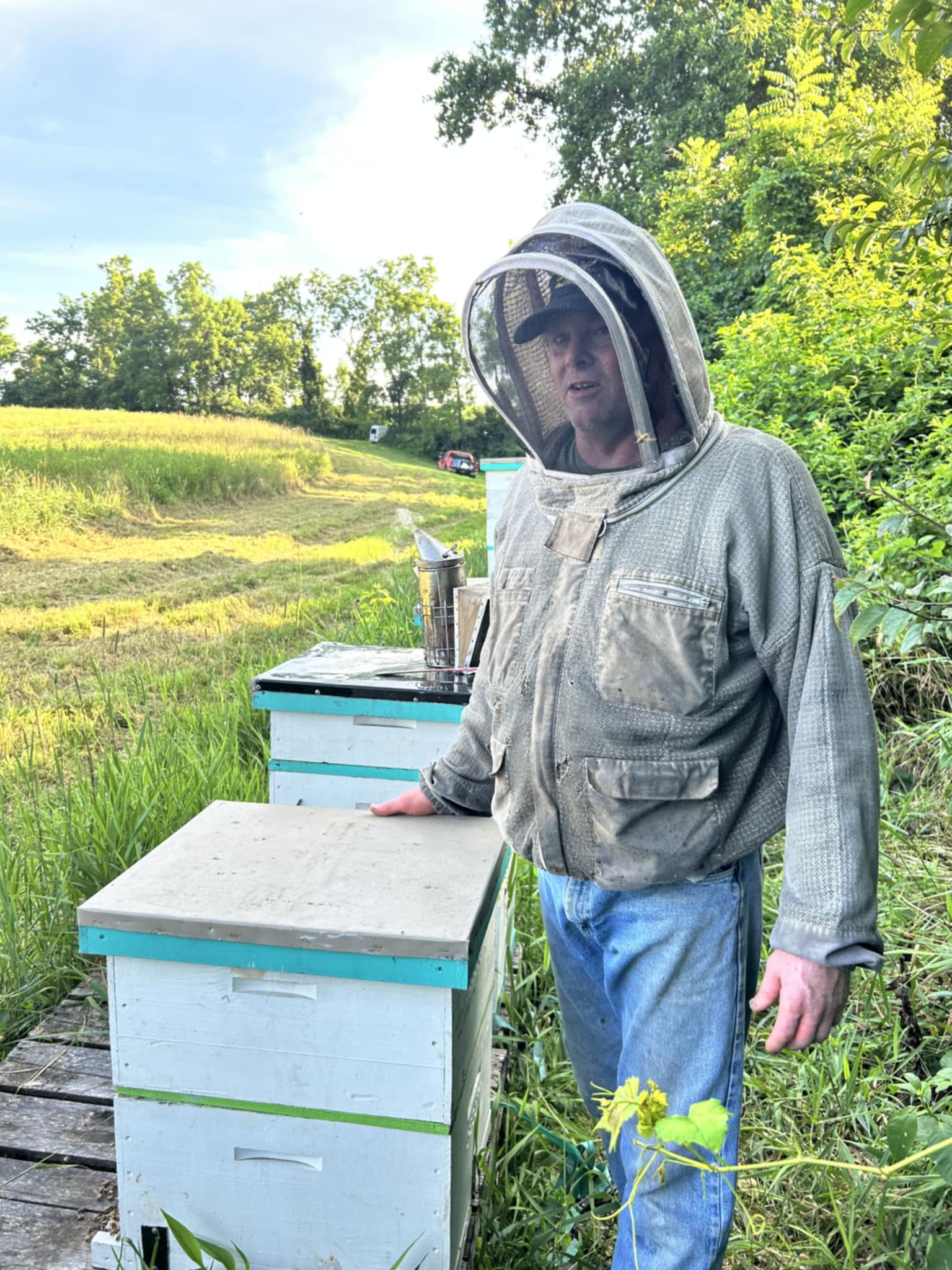


Tucked away on Gypsy Hollow Road, just outside Newport, Honey in the Hollow Bee Farm is a family-run apiary blooming with purpose. Operated by Glenn and Susan Scott, the farm has grown from a single gifted hive in 2018 into a thriving operation managing nearly 100 colonies across central Pennsylvania.
Glenn, a soft-spoken and diligent beekeeper, handles the gritty, sticky, and sometimes sting-prone work of managing the bees. His passion for the craft took flight after joining the Capital Area Beekeepers Association, where he gained a mentor and eventually became vice president. The couple now manages hives across multiple sites in Perry and Juniata counties and even transports bees to South Carolina each winter to take advantage of the earlier spring honey flow. That logistical dance can include midnight drives, extracting hundreds of pounds of honey, and rotating boxes to keep the bees productive. Last year alone, they produced five tons of honey. This year, they expect to surpass eight.
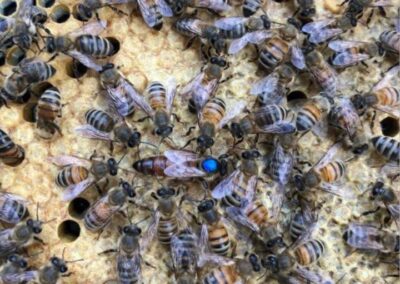
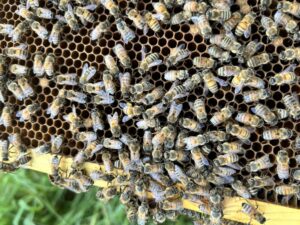
 “It’s a lot of work,” Glenn said. “But it’s worth it when you open up a hive and see a solid sheet of brood from a healthy queen. That tells you you’re doing something right.”
Susan, meanwhile, oversees the marketing, product development, and sales efforts. From designing the website to building retail relationships across Perry, Juniata, and Lebanon counties, she plays a pivotal role in getting Honey in the Hollow products into local shops like People’s Provisions, Vault and Vine, and Three Pups Bakery.
Susan is also the creative mind behind the farm’s popular line of honey infusions, including chipotle, chocolate, and strawberry varieties. “Not everyone likes traditional honey,” she said. “But when someone tries one of the infusions and their eyes light up, that’s the magic moment for me.”
Their daughter Kimberly has joined in too, crafting beeswax lotions, lip balms, and candles. After some early misfires with pure beeswax products that didn’t burn well, she found success by blending coconut oil into the wax for better performance.
Beyond business, Honey in the Hollow has become an educational resource for the community. Glenn and Susan regularly visit schools in Perry, Juniata, and even Harrisburg to teach children about bees. “Some kids are scared of them,” Susan said, “but when they learn how bees work and even get to taste the honey, you see that fear turn into fascination.”
Next year, Glenn plans to begin selling nucleus colonies, or “nucs,” which are starter hives containing a queen and several frames of brood and honey. Unlike mass-produced bee packages shipped from out-of-state, Glenn’s bees are bred from local, productive, and gentle stock. “If I don’t sell them, they go into my production hives,” he said. “So I only raise queens I trust.”
Nucs will be available starting in early May 2026, priced around $180 to $200. Interested buyers can reach out early to reserve a colony, and they can expect a healthy, established hive ready to thrive.
One of the ongoing challenges Glenn faces in his work is the varroa mite—a parasite likened to a tick for bees. “They feed off the larvae and reproduce quickly,” he explained. To manage the problem, Glenn uses naturally occurring acids like oxalic acid, found in rhubarb, and formic acid, similar to what is found in ant bites. “It keeps things natural, safe, and effective,” he said.
 With their growing reach, expanding product line, and dedication to community outreach, Glenn and Susan Scott are proving that passion, persistence, and a little bit of honey can go a long way.
To learn more, purchase products, or inquire about school visits and nuc reservations, visit honeyinthehollow.com or email honeyinthehollow@gmail.com.
Source: Penn Live